


Stargazing
Feel Light Years Away

The night skies of Montana can be so clear and mesmerizing that you just want to lay back and take it in. You don't have to be an astronomer to enjoy the quiet tranquility as you observe all the celestial objects like stars, constellations, planets, the moon, meteors, and the Milky Way. On the rare occasions you can even see an eclipse, meteor showers or the Northern Lights. Watch the weather forecast and choose a night with clear skies, a location with low light pollution and an open vantage point of the horizon free from trees, buildings and other tall obstacles, then kick back and embrace the beauty of the night.
Montana shines as 2025’s ultimate stargazing destinationMilky Way
Stars and planets are only the beginning of what you’ll find in the dark skies of Central Montana.
The Milky Way season goes from late February to early October. During the clearest of nights, reach into the depths of our galaxy and immerse yourself in the swirling bands that make up our home galaxy.
Only visible by 20% of the population from their backyard, seeing the Milky Way is one of those out-of-this-world experiences that only the darkest skies in the country can offer. Lucky for us, Montana is full of dark nights!
Northern Lights
When you travel as far North as Central Montana, rare phenomenon simply become nighttime adventures.
Though not an everyday occurrence, with a lot of planning and a little luck, the magnificent green lights of the Aurora Borealis can be seen dancing across the night sky at many Central Montana locations.
When planning your trip, look to visit Central Montana in the winter or early spring – when nights are darker and a new moon is on the horizon.
Central Montana Trail to the Stars Locations
Stargazers from near and far can take part in enjoying the dark skies throughout the Central Montana region. These areas have been designated for this activity due to access, low light pollution, and an open area for viewing.
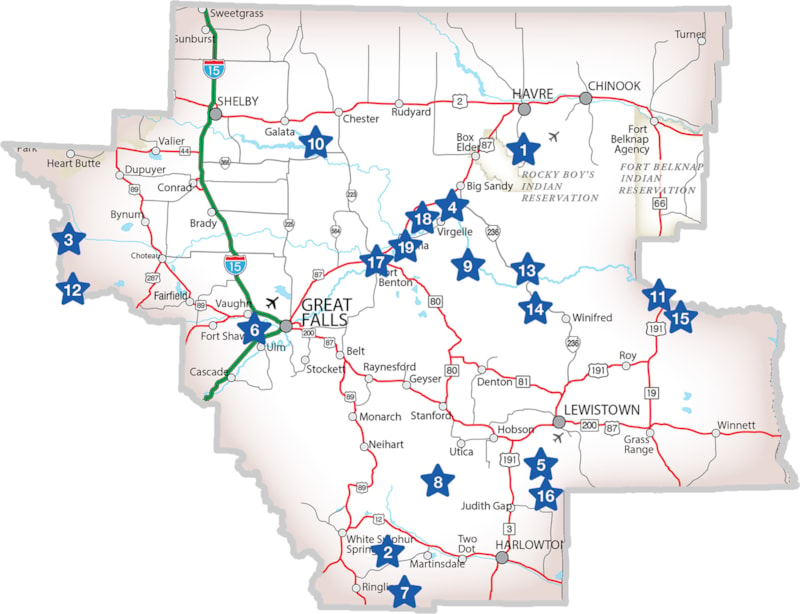
Stargazing Locations

1. Beaver Creek County Park
Park office: 17863 Beaver Creek Rd
Havre, MT 59501
48.29464°, -109.66513°
Open: Year-round

2. Bonanza Creek Country Guest Ranch
523 Bonanza Creek Rd
Martinsdale, MT 59053
46.47344°, -110.59550°
Open: June - November
(weather permitting)
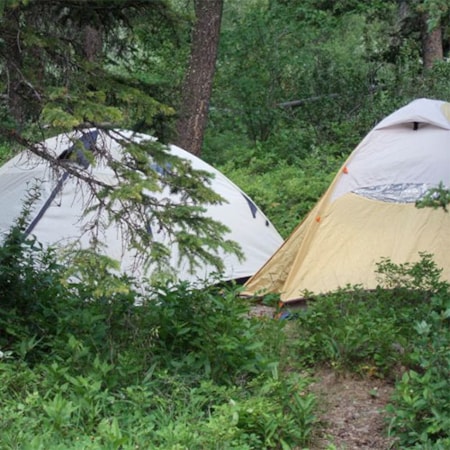
3. Cave Mountain
47.88962°, -112.72645°
Open: Summer

4. Coal Banks Landing
5901 Virgelle Ferry Rd N
Loma, MT 59460
48.03228°, -110.23672°
Open: April - November

5. Crystal Lake
46.80480°, -109.51099°
Open: June - October

6. First Peoples Buffalo Jump State Park
47.4797586°, -111.5247494°
Program/Event

7. Forest Lake
46.24499°, -110.43697°
Open: Summer
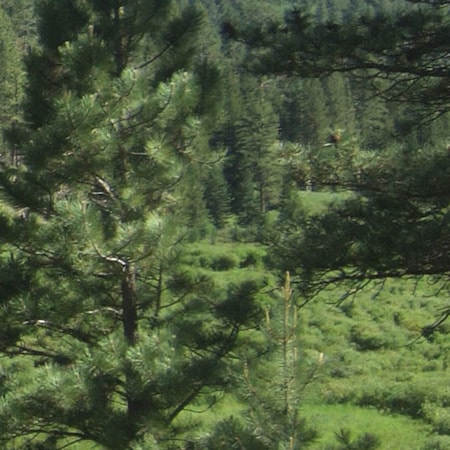
8. Hay Canyon Campground
46.79882°, -110.29989°
Open: Memorial Day - Labor Day
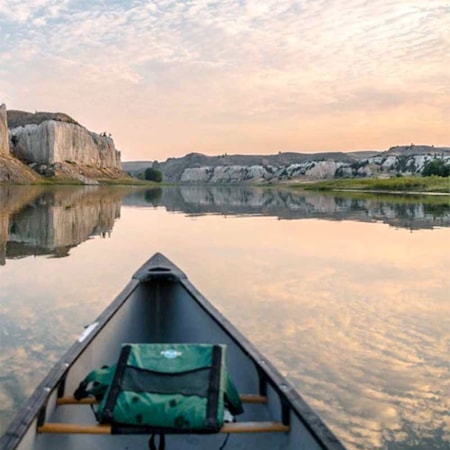
9. Hole in the Wall Campground
47.82004°, -110.06463°
Open: April - November

10. Island Area at Tiber Dam
48.33546°, -111.13017°
Open: Year-round
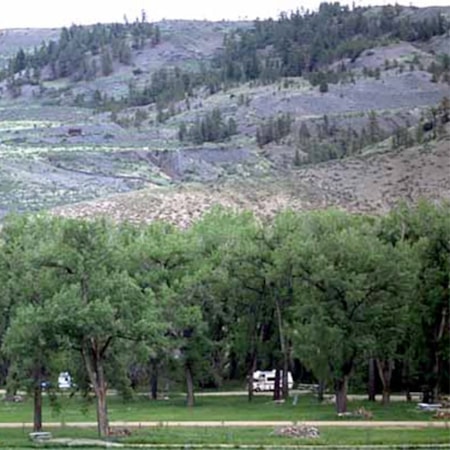
11. James Kipp Recreation Area
47.62297°, -108.68839°
Open: April - November
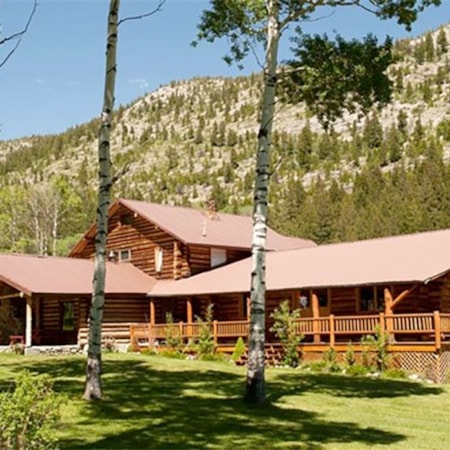
12. JJJ Wilderness Ranch
91 Mortimer Rd
Augusta, MT 59410
47.62656°, -112.76934°
Open: Year-round

13. Judith Landing
47.74137°, -109.62513°
Open: May 15 - October 15
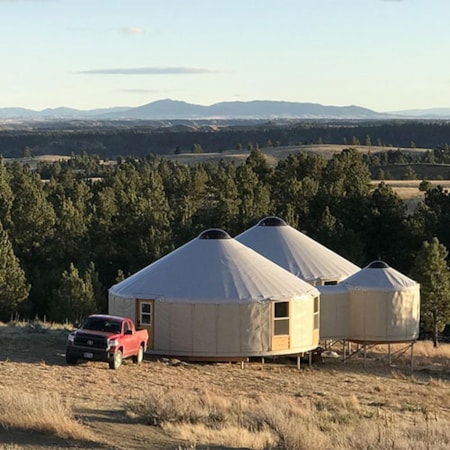
14. Myers Family Huts
47.72759°, -109.63320°
Open: May - November

15. Slippery Ann Wildlife Viewing Area
47.61636°, -108.57334°
Open: Spring - Fall

16. Timber Creek Disperses Campground
46.72527°, -109.48589°
Open: Year-round
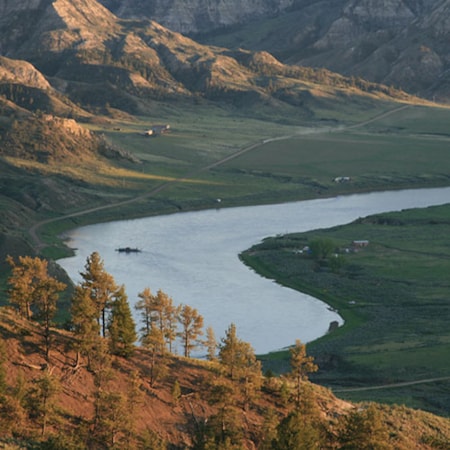
17. Upper Missouri River Breaks
47.81000°, -110.67382°
Open: Year-round

18. Virgelle Mercantile, B&B and Cabins
7485 Virgelle Ferry Rd N
Virgelle, MT 59442
48.01476°, -110.24959°
Open: Year-round

19. Wood Bottom Recreation Area
47.92179°, -110.49624°
Open: April - November
Stargazing/Astronomy Mobile and VR Apps
Take the night sky with you! Check out these apps for viewing and interacting with the stars and planets and learn more about the astonishing galaxy. Some apps even integrate with virtual reality devices to provide a whole new level of immersion. When you can't get outside on a clear night, these apps are the next best thing.

Night Sky
Pull these beautiful 3D models out of the sky on iPhone, iPad, Mac, Apple TV and Apple Vision Pro, to admire the high level of detail for your favorite constellations!

SkyView
Point your device at the sky and let SkyView show you when and where the planets, the Sun, and the Moon will be at any time on any date.

Star Walk 2
See the real-time interactive sky map on the screen of your phone and enjoy stars, planets, and constellations.

2026 Astronomical Dates
January
Jan. 3: Full Moon, Supermoon
Jan. 3-4: Quadrantids Meteor Shower
Jan. 10: Jupiter at Opposition
Jan. 28: New Moon
February
Feb. 1: Full Moon
Feb. 17: New Moon
Feb. 19: Mercury at Greatest Eastern Elongation
Feb. 28: Planetary Alignment
March
March 3: Full Moon, Total Lunar Eclipse
March: Prime Milky Way Viewing Season Begins
March 18: New Moon
March 20: March Equinox
April
April 1: Full Moon
April 3: Mercury at Greatest Western Elongation
April 17: New Moon
April 21-22: Peak of Lyrids Meteor Shower
May
May 1: Full Moon
May 5-6: Peak of Eta Aquarids Meteor Shower
May 16: New Moon
May 31: Full Moon
June
June 14: New Moon, Mercury at Greatest Eastern Elongation
June 21: June Solstice
June 29: Full Moon
July
July 14: New Moon
July 29: Full Moon
July 30: Peak of Delta Aquarids Meteor Shower
August
Aug. 2: Mercury at Greatest Western Elongation
Aug. 12: New Moon
Aug. 12-13: Peak of Perseids Meteor Shower
Aug. 15: Venus at Greatest Eastern Elongation
Aug. 27-28: Full Moon, Partial Lunar Eclipse
September
Sept. 10: New Moon
Sept. 23: September Equinox
Sept. 25: Neptune at Opposition
Sept. 26: Full Moon
Sept.: Prime Milky Way Viewing Season Ends
October
Oct. 4: Saturn at Opposition
Oct. 10: New Moon
Oct. 12: Mercury at Greatest Eastern Elongation
Oct. 21-22: Peak of Orionids Meteor Shower
Oct. 25: Full Moon
November
Nov. 4-5: Peak Southern Taurids Meteor Shower
Nov. 9: New Moon
Nov. 11-12: Peak Northern Taurids Meteor Shower
Nov. 17-18: Peak of Leonids Meteor Shower
Nov. 20: Mercury at Greatest Western Elongation
Nov. 21-22: Peak of Alpha Monocerotids Meteor Shower
Nov. 24: Full Moon, Supermoon
Nov. 25: Uranus at Opposition
Nov. 28: Peak of November Orionids Meteor Shower
December
Dec. 8: New Moon
Dec. 13-14: Peak of Geminids Meteor Shower
Dec. 21: December Solstice
Dec. 22-23: Peak of Ursids Meteor Shower
Dec. 23: Full Moon, Supermoon

To learn more about stargazing in Central Montana or other parts of the state, visit Montana's Trail to the Stars.